
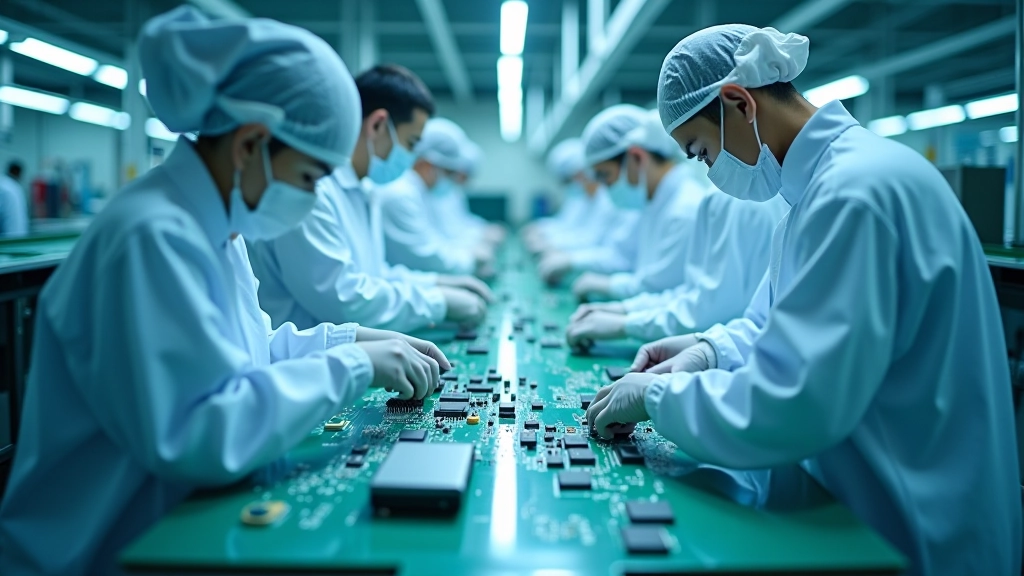
E&E Industry Performance Rebounds in 2026
Malaysia’s electrical and electronics sector shows strong growth signals. Export orders up 12%, with semiconductor demand driving production increases across major manufacturers.
Read MoreUnderstanding the electrical and electronics sector, automotive production, industrial trends, and factory utilisation across Malaysia’s manufacturing landscape
Malaysia’s manufacturing sector remains a critical economic driver. We’re breaking down the latest data on E&E industry performance, automotive production figures, industrial production indices, and factory utilisation rates to help you understand what’s happening in this dynamic sector.
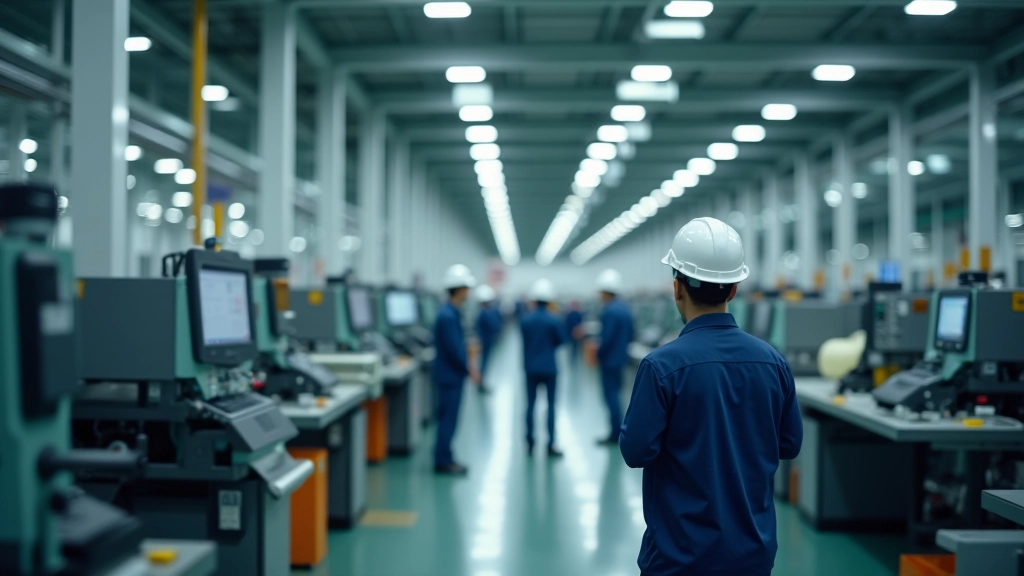
Explore key articles on Malaysia’s manufacturing sector performance and trends
Malaysia’s electrical and electronics sector shows strong growth signals. Export orders up 12%, with semiconductor demand driving production increases across major manufacturers.
Read More
Vehicle output remains steady with electric vehicle component manufacturing emerging as a growth area. Production figures show adaptation to global market shifts and evolving consumer preferences.
Read More
Recent IPI data reveals sector-by-sector performance variations. We’re analyzing what’s driving growth in some industries while others face headwinds from supply chain and demand factors.
Read More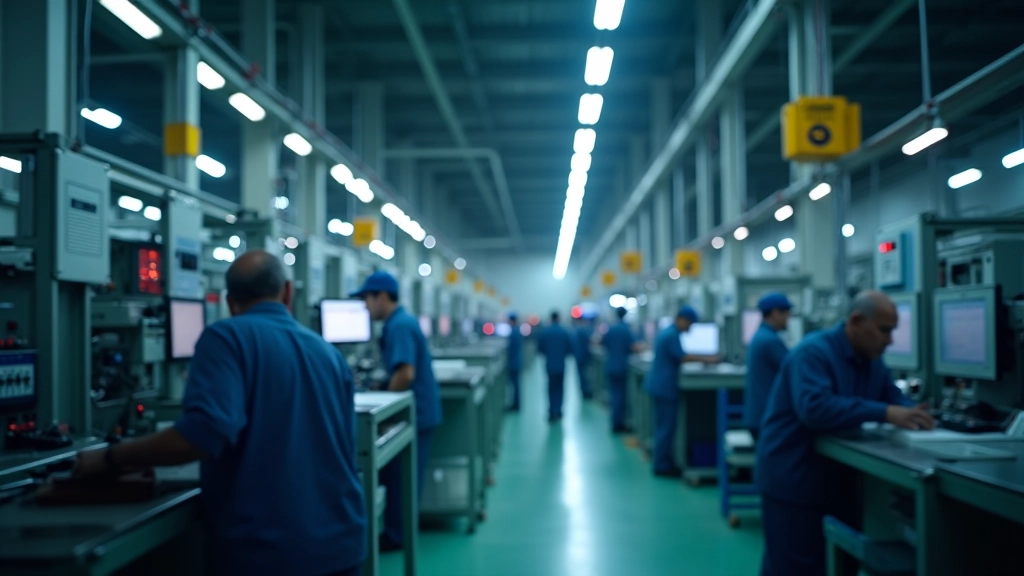
Understanding how efficiently Malaysia’s factories operate. Current utilisation rates, capacity constraints, and what manufacturers are doing to optimise production during uncertain economic conditions.
Read MoreMalaysia’s industrial landscape spans multiple high-value manufacturing segments
Semiconductors, computer components, and consumer electronics remain Malaysia’s largest manufacturing export category. Recent expansion in renewable energy components is opening new opportunities.
Vehicle assembly and component manufacturing provide steady employment. EV battery components and related technologies are attracting investment and reshaping production focus.
Value-added chemical products and petroleum refining operations continue to support the broader industrial base. Export markets remain resilient despite global price fluctuations.
Growing segment producing diagnostic equipment, medical devices, and pharmaceutical products. Global demand for healthcare solutions supports consistent expansion in this sector.
Malaysia’s manufacturing health is measured through several key indicators that tell us how the sector is performing
The IPI measures the volume of production across manufacturing sectors. It’s released monthly and shows whether factories are producing more or less compared to previous periods. Positive growth signals economic expansion, while declines indicate slowdowns or challenges in specific industries.
This metric shows what percentage of a factory’s production capacity is actually being used. High utilisation rates (above 80%) suggest strong demand and full operations. Lower rates might indicate excess capacity or weak demand, affecting profitability and employment decisions.
Export volumes and values reveal how competitive Malaysian manufacturers are globally. The E&E sector particularly drives export revenue, making international demand a critical factor for the entire manufacturing ecosystem.
Manufacturing employment levels reflect industry health. Growing sectors hire more workers, while struggling ones may reduce workforce. Skills training and automation adoption also influence employment patterns across different manufacturing segments.