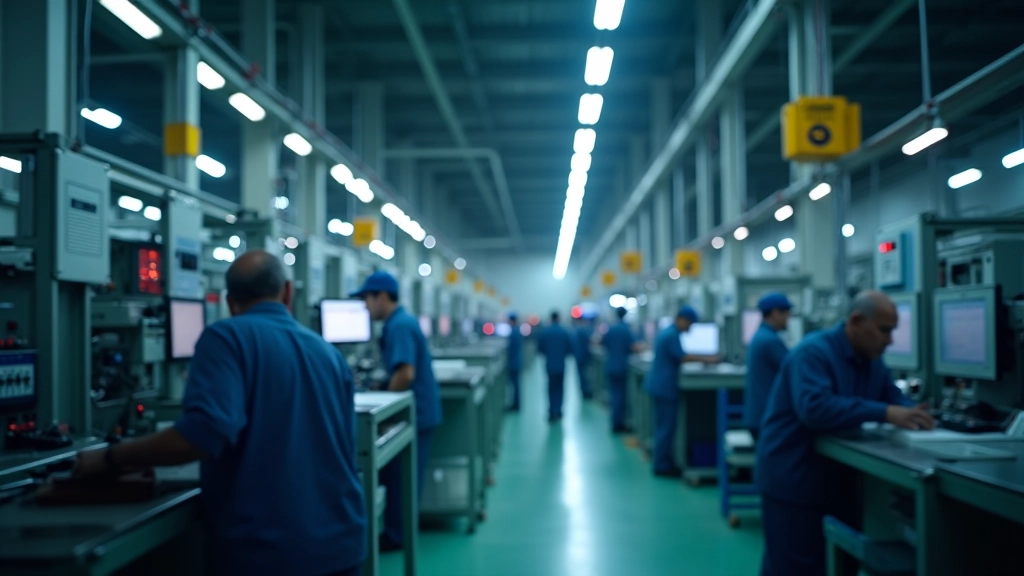
E&E Industry Performance Rebounds in 2026
Malaysia’s electrical and electronics sector shows strong growth signals with export orders up 12%, semiconductor demand driving production increases across major manufacturers.
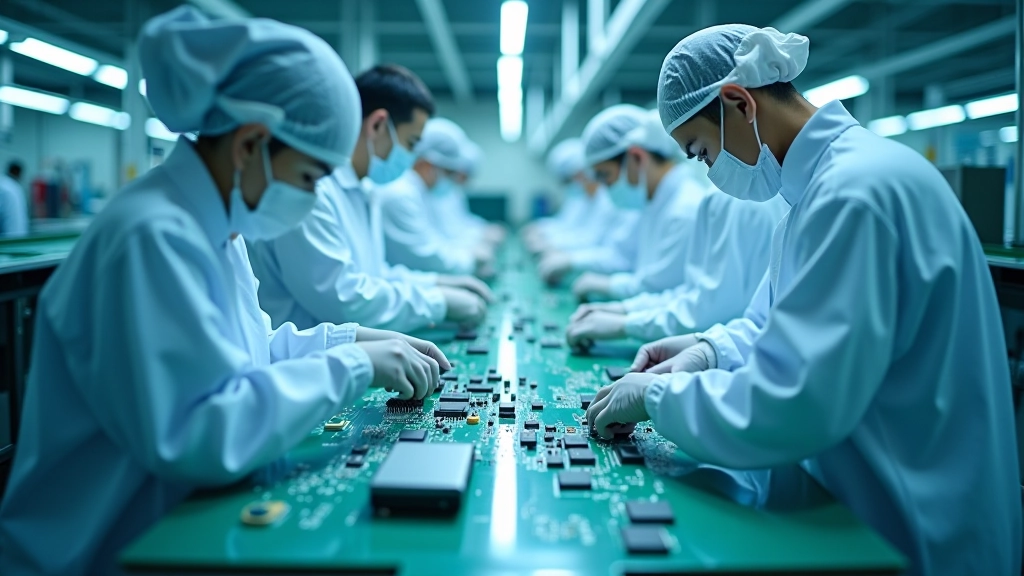
What’s Driving the Recovery?
After a challenging 2025, Malaysia’s electrical and electronics industry is bouncing back stronger than expected. Export orders have jumped 12% compared to the same period last year, and manufacturers are reporting increased capacity utilization across semiconductor, component assembly, and precision equipment sectors.
We’re seeing genuine momentum here. The semiconductor shortage that plagued global supply chains has eased considerably, and major technology companies are diversifying their production beyond traditional hubs. That’s creating real opportunities for Malaysian manufacturers who’ve invested in modern facilities and skilled workforce development.
“The recovery is real, but it’s not uniform. Some manufacturers are at full capacity while others are still working through inventory adjustments.”
— Industry analyst, March 2026


Export Orders Surge Across Sectors
The 12% increase in export orders isn’t just one sector driving growth. It’s spread across multiple segments. Semiconductor components are up significantly — major manufacturers report orders extending into Q3 2026. Circuit board assembly facilities are running near 85% capacity utilization, which is solid for this industry. And precision equipment manufacturers are seeing sustained demand from electronics companies upgrading their production lines.
What makes this interesting is the diversification. It’s not just one major client pushing orders up. You’re seeing demand from automotive suppliers who need advanced electronics components, consumer electronics manufacturers ramping up for mid-year product launches, and industrial equipment makers stocking components. That kind of spread actually makes the market healthier and more stable than concentrated demand from a single sector.
Export Growth Breakdown
- Semiconductor components: +18% year-on-year
- Circuit board assembly: +14% year-on-year
- Precision equipment: +8% year-on-year
- Component distribution: +10% year-on-year
Capacity Utilization and Production Efficiency
Factory utilization rates tell you a lot about actual demand. When plants are running at 70-75%, you know there’s real work happening, not just optimistic forecasting. Currently, major E&E manufacturers in Malaysia are operating at 82-87% capacity across their primary production lines. That’s a healthy level — not so high that equipment stress becomes a problem, but high enough to confirm genuine market demand.
Manufacturers aren’t just running existing lines either. Some facilities have restarted production lines that were idled during 2024-2025. Equipment upgrades are happening in semiconductor assembly areas, and several companies have announced hiring plans for skilled technicians and engineers. The industrial production index for the sector hit 118.3 points in February 2026, up from 109.2 a year earlier — that’s a meaningful 8.3% improvement that reflects real production volume increases.
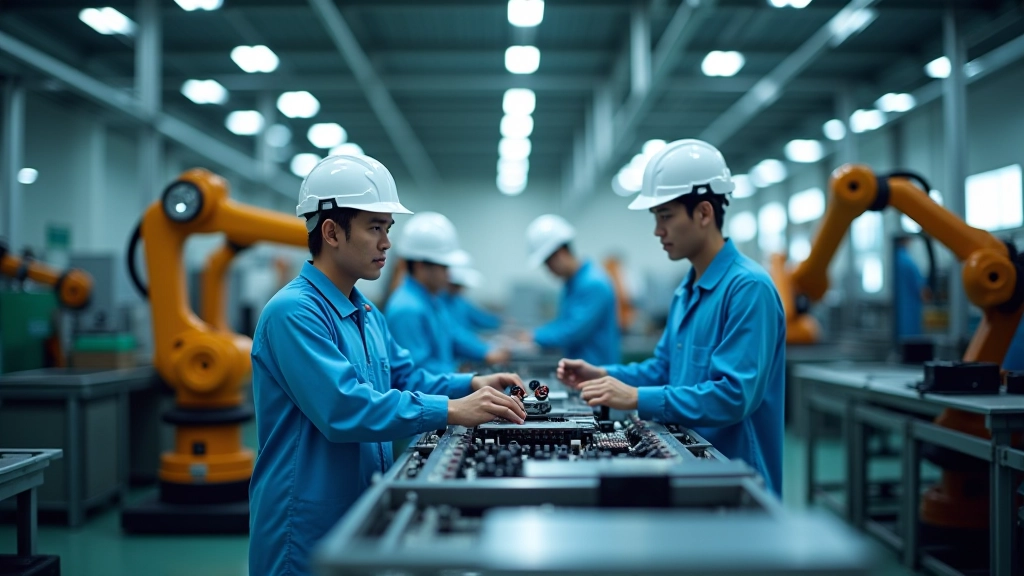

Real Challenges Still Exist
The recovery isn’t without complications. Raw material costs remain elevated, though they’ve stabilized somewhat. Supply chain logistics have improved, but they’re still more expensive than pre-2022 levels. Some manufacturers are dealing with skilled labor shortages in specialized areas like semiconductor testing and precision assembly — you can’t just train someone overnight to work with micron-level tolerances.
Energy costs are another factor. Running production facilities at high capacity requires significant electrical input, and Malaysia’s energy prices have been climbing. Smart manufacturers are investing in efficiency improvements and some are exploring renewable energy partnerships. It’s not a crisis, but it does compress margins for companies that can’t pass costs to buyers.
Then there’s the geopolitical piece. Trade relationships between major economies affect component flow and market access. Tariffs, supply restrictions, and trade tensions can shift quickly. Manufacturers who’ve diversified their customer base and supplier relationships are weathering this better than those concentrated in single markets.
What’s Next for the E&E Sector?
Looking ahead to the rest of 2026, the outlook is cautiously optimistic. Semiconductor demand should remain steady as companies continue product refresh cycles. Automotive electrification is creating consistent demand for advanced electronic components. And industrial digitalization — factories adding sensors, controllers, and connected equipment — is generating orders for precision electronics manufacturers.
We’re not looking at explosive growth. But sustained, moderate growth across multiple segments? That’s what the data suggests. Manufacturers who invested in modern equipment during the downturn are positioned well. Companies with diversified customer bases are more secure. And those who’ve developed technical expertise in high-margin segments like semiconductor testing and precision assembly are doing better than commodity manufacturers.
Stay Updated on Industrial Trends
Manufacturing data changes frequently. Get timely insights about production trends, capacity utilization, and sector performance across Malaysia’s industrial landscape.
Learn MoreAbout This Information
This article presents analysis of manufacturing sector data and industry trends as of March 2026. Information is based on publicly available manufacturing statistics, industry reports, and market analysis. Specific performance metrics and growth percentages reflect data from manufacturing surveys and production indices. Individual company performance may vary significantly from sector averages. This content is educational and informational in nature — circumstances change, and detailed decisions should always be based on current, verified data from primary sources.